

Key Takeaways
Functional Fitness
Functional fitness is a style of exercise that trains the movements your body naturally performs in daily life - things like bending, lifting, pushing, pulling, and carrying. Rather than isolating individual muscles, it focuses on multi-joint movement patterns that improve how you function outside the gym. The goal is to make everyday tasks - from carrying groceries to climbing stairs - feel easier and safer.
Exercise scientists often describe functional training as movement that mimics "activities of daily living" (ADLs), emphasizing neuromuscular coordination and stability alongside muscular strength.
What Makes Training "Functional"?
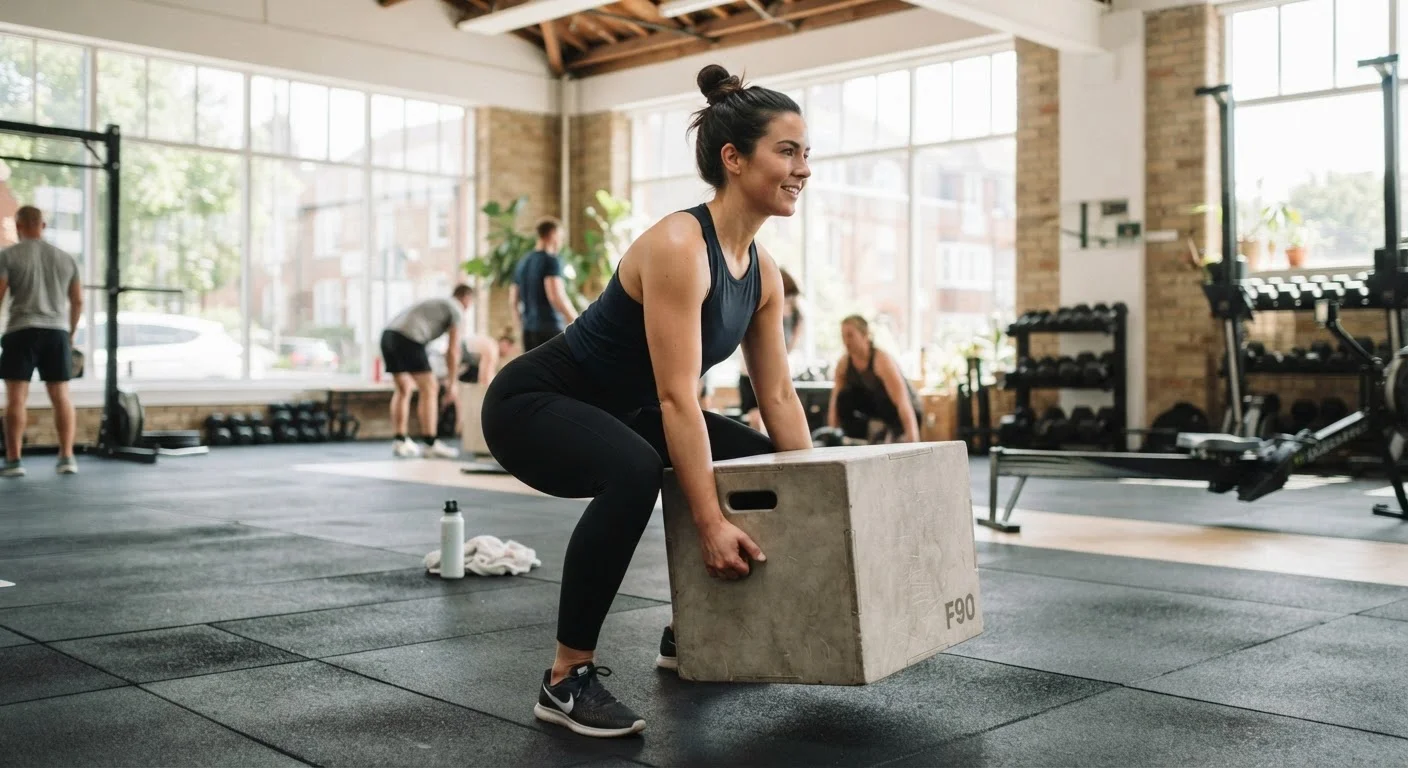
The word "functional" in fitness refers to exercises that serve a real-world purpose. Instead of training your biceps in isolation on a curl machine, functional training has you perform a movement - like a farmer's carry or a Romanian deadlift - that recruits multiple muscle groups working together, just as they would when you lift a heavy bag or pick something up off the floor.
This approach is grounded in a core principle from exercise physiology: the body performs movements, not muscles. When you reach overhead, dozens of muscles coordinate across your shoulders, core, and back simultaneously. Functional training respects that reality by training those coordinated patterns directly.
To understand how functional training fits alongside other exercise styles, see the major exercise categories and what each one does for your body.
6
Core movement patterns in functional training
Exercise professionals commonly organize functional programs around six foundational patterns: squat, hinge, push, pull, carry, and rotate - each mirroring daily life demands.
~30%
Reduction in fall risk with functional exercise
A review in the British Journal of Sports Medicine found that exercise programs targeting balance and functional strength reduced fall rates in older adults by approximately 23-34%.
Core Movement Patterns in Functional Training
Functional fitness is typically organized around six foundational movement patterns that appear repeatedly in daily life:
- Squat: Sitting down, standing up, lowering to the ground.
- Hip hinge: Bending to pick something up, loading the dishwasher.
- Push: Opening a heavy door, lifting something overhead.
- Pull: Opening a drawer, carrying a bag toward your body.
- Carry: Walking with groceries, moving luggage.
- Rotate: Turning to reach something behind you, twisting while driving.
Exercises designed around these patterns - like goblet squats, deadlifts, rows, and lunges - are the building blocks of most functional programs. They can be performed with bodyweight, free weights, or resistance bands. For a closer look at how those tools differ, see resistance training, weight machines, and bodyweight work.
Start With Bodyweight, Focus on Form
If you're new to functional training, begin with unweighted versions of the core movement patterns before adding any resistance. Quality of movement matters more than intensity at the start. A single session with a certified personal trainer can help you identify and correct form issues early, reducing your injury risk significantly.
How Functional Fitness Differs From Sport-Specific Training
It's worth distinguishing functional fitness from sport-specific training, which is a common point of confusion. Sport-specific training is designed to improve performance in a particular sport - a tennis player might train rotational power and lateral agility specifically. Functional fitness, by contrast, targets broad everyday capability rather than athletic performance in one domain.
That said, the two approaches do overlap. Many athletes incorporate functional movement work as a foundation before adding sport-specific demands. For a fuller comparison, sport-specific training vs. general fitness explains how the goals and methods diverge in practice.
“Functional training is about making the body more capable in the activities that matter to each person - whether that's playing with grandchildren, carrying groceries, or returning to a sport after time off.”
— American College of Sports Medicine, Leading professional organization in exercise science and sports medicine
Who Benefits Most - and How to Get Started
Functional fitness benefits almost everyone, but it is particularly valuable for:
- Beginners who want a practical foundation before trying more specialized training styles.
- Older adults looking to maintain independence and reduce fall risk.
- People returning from sedentary periods who need to rebuild basic movement quality.
If you're new to exercise altogether, start with bodyweight-only versions of the six movement patterns listed above. Prioritize form over load or speed. Adding flexibility and mobility work alongside functional training will support better movement quality and recovery.
Don't overlook rest. Muscles and connective tissues adapt during recovery, not during the workout itself. The Recovery & Rest hub covers why rest days are an essential part of any training plan.
For a comprehensive starting point, everything a fitness beginner needs to know walks through the fundamentals of building lasting fitness habits from scratch.
This article is for general informational and educational purposes only and is not a substitute for professional medical or fitness advice. Consult a qualified healthcare provider before beginning any new exercise program, especially if you have existing health conditions or injuries.