

Key Takeaways
Why Nutrition Labels Matter for Men
Most men glance at a nutrition label, notice the calories, and move on. That habit leaves a lot of useful information on the table. Nutrition labels are standardized by regulation in the United States, meaning every packaged food follows the same format — once you understand the structure, reading any label takes under a minute.
Men's health goals vary: some prioritize muscle building, others are managing blood pressure or body weight, and many are simply trying to eat more consistently well. The nutrition label serves all of these purposes — but only if you know which numbers to look at and why. This walkthrough covers the label section by section, in the order they actually matter.
For a broader foundation, see our complete guide to healthy eating habits. And if you want to go deeper on ingredient lists specifically, this breakdown of serving sizes and ingredient lists is a useful companion read.
What You'll Need Before You Start
No special equipment is required — just a packaged food item and a few minutes. That said, having a clear goal in mind (e.g., reducing sodium intake, hitting a protein target) helps you focus on the relevant rows rather than reading every number on the label.
What you will need
Tools and Resources
These simple tools make the process easier, especially when you're building the habit for the first time.
Packaged food item
The label you'll practice reading — any product from your kitchen or grocery store works.
Smartphone calculator
Useful for multiplying nutrient values when a package contains multiple servings.
Registered dietitian
For personalized guidance on which nutrients to prioritize based on your individual health profile.
Step-by-Step: Reading the Label
Work through the label top to bottom. Each section builds on the one before it.
Find and read the serving size
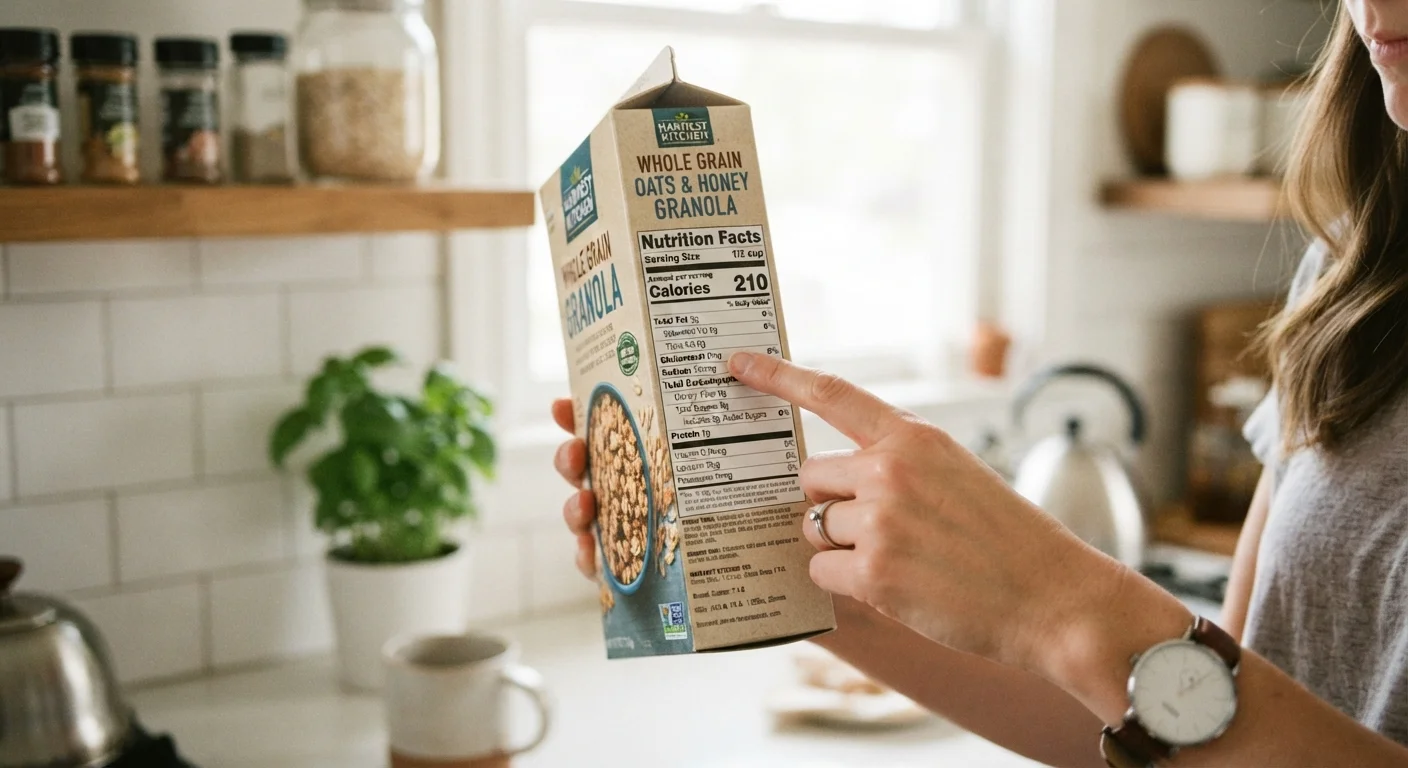
The serving size is located at the very top of the Nutrition Facts panel, directly below the bold "Nutrition Facts" heading. Every single number that follows — calories, protein, sodium — refers to one serving, not the entire package.
Check how many servings are in the container. A bag of chips listed at 150 calories per serving contains 3 servings, meaning the full bag is 450 calories. This is where most label-reading errors happen.
Note the calorie count in context
Calories measure the total energy in one serving. For general reference, the FDA bases % Daily Values on a 2,000-calorie daily diet — though individual needs vary significantly based on body size, age, and activity level.
Rather than treating calories as a hard limit, use them comparatively: a 400-calorie meal is reasonable; a 400-calorie snack may deserve a second look depending on your goals.
Check the % Daily Value column
The right-hand column shows % Daily Value (% DV) for most nutrients. This percentage tells you how much of the recommended daily amount one serving provides, based on a 2,000-calorie diet.
- 5% DV or less = low in that nutrient
- 20% DV or more = high in that nutrient
Use this as a quick filter. A food with 35% DV of sodium per serving is contributing heavily to your daily sodium intake. A food with 20% DV of fiber is a meaningful source of it.
Scan the nutrients to limit
Three nutrients appear under a bold separator and are worth keeping lower in most men's diets:
- Saturated fat: Associated with cardiovascular risk at high intake levels. Look for lower % DV values.
- Sodium: High sodium intake is linked to elevated blood pressure. Many packaged foods are surprisingly high — a single serving can account for 30–40% of the recommended daily limit.
- Added sugars: Distinct from naturally occurring sugars, added sugars contribute calories without nutritional benefit. The label now lists them separately, making this easier to spot.
Look at the nutrients to get enough of
Below the dividing line, you'll find nutrients most people benefit from getting adequate amounts of:
- Dietary fiber: Supports digestive health and satiety. Most men fall well short of recommended intake.
- Protein: Essential for muscle maintenance and repair. The label lists grams but no % DV — compare the gram figure against your daily target.
- Vitamin D, calcium, iron, potassium: These are highlighted because deficiency is common. A high % DV here is a positive signal.
Read the ingredient list
The ingredient list appears below the Nutrition Facts panel and is ordered by weight — the ingredient present in the greatest amount is listed first. A bread with "whole wheat flour" as the first ingredient contains more whole wheat than one where it appears third or fourth.
A short ingredient list with recognizable items generally signals a less processed product. A very long list, particularly one featuring multiple types of sugar under different names (e.g., dextrose, maltose, corn syrup), is worth noting. Our article on whole foods vs. processed foods explores why this distinction matters.
Front-of-Pack Claims Are Not Regulated the Same Way
Terms like "natural," "multigrain," or "made with real fruit" on the front of a package are marketing language and carry no standardized nutritional meaning under FDA rules. The Nutrition Facts panel and ingredient list on the back are the regulated, reliable sources of information. Always check the panel before drawing conclusions from front-of-pack claims.
Common Pitfalls and What Labels Don't Tell You
Nutrition labels are accurate about what they measure, but they don't tell the whole story. A food with a short, clean ingredient list and modest numbers is generally a better choice than one with a long list of additives — even if the calorie counts are similar. Understanding the difference between whole and processed foods adds important context here; our article on whole foods vs. ultra-processed foods explains the distinction in plain terms.
Labels also don't account for how hungry or full you are when you eat. For that layer of self-awareness, understanding your hunger and fullness signals is worth reading alongside this guide.
Use Labels to Compare, Not to Judge
Nutrition labels are most useful when you compare two similar products side by side — same serving size, then check sodium, fiber, and added sugars. No single food makes or breaks a diet. If label-reading starts to feel stressful, consider mindful eating as an alternative approach — it focuses on hunger and satisfaction cues rather than numbers.
Once you're comfortable reading labels, a daily nutrition checklist can help you confirm your meals are covering the key bases without requiring detailed tracking.
This article is for general informational purposes only and does not constitute medical or dietary advice. Consult a qualified healthcare professional or registered dietitian for guidance tailored to your individual health needs.