
The Gut-Brain Connection: How Your Digestive System and Mental Health Influence Each Other

Key Takeaways
The Gut-Brain Axis
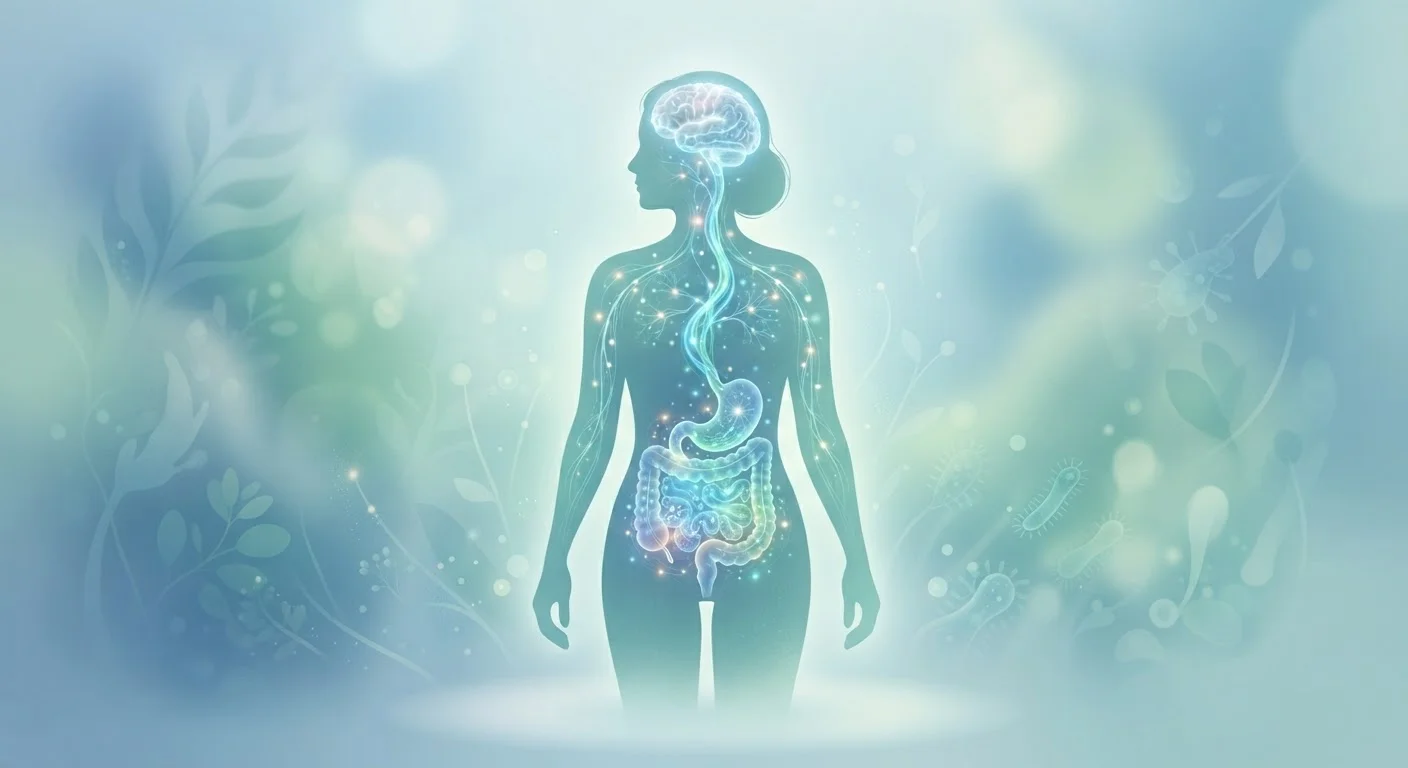
The gut-brain axis is the two-way communication network linking your digestive system and your brain. It uses nerves, hormones, and the immune system to send signals in both directions - meaning your gut affects your mood, and your mental state affects your digestion. This connection helps explain why stress can cause stomach trouble, and why digestive problems can influence how you feel emotionally.
The vagus nerve is the primary physical highway of this axis, carrying signals between the enteric nervous system (the gut's own neural network) and the central nervous system.
What Is the Gut-Brain Axis?
You've probably noticed that nerves can cause an upset stomach before an important event, or that a bad digestive day can leave you feeling irritable and low. These aren't coincidences - they're your gut-brain axis at work.
The gut-brain axis is a bidirectional communication system that links your gastrointestinal (GI) tract with your central nervous system (brain and spinal cord). It operates through multiple channels simultaneously: the nervous system, the endocrine (hormone) system, and the immune system. To understand how your digestive system works as a foundation, see our guide to what your gut actually does.
The gut has its own extensive nerve network - called the enteric nervous system - containing hundreds of millions of nerve cells. This is why the gut is sometimes called the "second brain." It can operate semi-independently, but it stays in constant dialogue with your brain, primarily through the vagus nerve.
The Enteric Nervous System: A Quick Clarification
When scientists call the gut the "second brain," they don't mean it thinks or has consciousness. They mean it contains an unusually complex and autonomous nerve network - the enteric nervous system - capable of regulating digestion without input from the brain. However, it remains in constant communication with the central nervous system, which is what makes the gut-brain axis so significant.
How the Gut Microbiome Shapes Your Mental State
Your gut is home to trillions of microorganisms - bacteria, fungi, and viruses - collectively called the gut microbiome. Far from being passive passengers, these microbes actively produce chemicals that influence brain function.
One striking example: approximately 90% of the body's serotonin - a neurotransmitter closely linked to mood regulation - is produced in the gut, not the brain. Gut bacteria play a direct role in this process. When the microbial balance is disrupted (a state called dysbiosis), it may alter neurotransmitter levels and promote systemic inflammation, both of which have been studied in relation to anxiety and depression.
~90%
Of body's serotonin produced in the gut
According to research published in journals including those of the American Gastroenterological Association, the vast majority of serotonin is synthesized in gastrointestinal cells, not the brain.
500 million
Nerve cells in the enteric nervous system
Estimates from neurogastroenterology research suggest the gut contains roughly 500 million neurons - more than the spinal cord - underlining its complexity as a neural organ.
~40%
Of IBS patients also experience anxiety or depression
Multiple reviews of clinical data have found that anxiety and depression are significantly more prevalent among people diagnosed with irritable bowel syndrome than in the general population.
Research into the microbiome is still evolving, and scientists are careful to note that most human studies are observational - they show associations, not confirmed cause-and-effect. Still, the evidence is compelling enough that the gut microbiome is now a serious focus of mental health research. For a look at what this evidence means specifically for men, see gut health and men's wellbeing.
When the Connection Goes Wrong: Stress, IBS, and Functional Gut Disorders
The gut-brain connection becomes most visible when it malfunctions. Irritable bowel syndrome (IBS) is a well-studied example - it's now classified by gastroenterologists as a disorder of gut-brain interaction. People with IBS often show altered pain sensitivity in the gut that is amplified by psychological stress, and many also experience anxiety or depression alongside their digestive symptoms.
Chronic stress activates the body's "fight-or-flight" response, which diverts resources away from digestion and can alter gut motility, permeability, and the composition of the microbiome. This can produce symptoms like bloating, cramping, constipation, or diarrhea. Our symptom-by-symptom guide to digestive complaints can help you understand what these signals may mean.
Track Both Gut and Mood Symptoms Together
If you're experiencing digestive discomfort, keeping a simple log of what you ate, your stress levels, and your mood can reveal patterns your doctor will find useful. Many people are surprised to discover how closely their digestive flares coincide with stressful periods. Share this information with a healthcare provider - it can help guide an accurate diagnosis.
Importantly, the relationship runs both ways: persistent digestive discomfort can itself become a source of stress and anxiety, creating a cycle that can be difficult to break without addressing both the physical and psychological dimensions.
Supporting the Gut-Brain Connection: What the Evidence Suggests
While research is ongoing, several lifestyle factors are consistently linked to both gut health and mental well-being. These aren't prescriptions - they're areas where evidence currently points, and where a conversation with your healthcare provider is worthwhile.
- Diet diversity: A varied, fiber-rich diet is associated with a more diverse gut microbiome, which is generally considered healthier. Habits gastroenterologists consistently recommend include eating a wide range of plant foods.
- Stress management: Practices like mindfulness may help dampen the stress response that disrupts gut function. Research on mindfulness and mood offers relevant context.
- Sleep and physical activity: Both are associated with a healthier microbiome and lower inflammation levels in well-designed studies.
If you're experiencing ongoing digestive symptoms, mood changes, or both, the most important step is to speak with a qualified healthcare professional. Self-diagnosing or self-treating conditions that may involve the gut-brain axis can delay appropriate care.
“The gut-brain axis represents one of the most exciting frontiers in medicine today. What happens in the gut does not stay in the gut - and understanding this connection is reshaping how we think about both digestive and mental health disorders.”
— Emeran Mayer, Professor of Medicine and Psychiatry, UCLA; author of research on the gut-brain connection
This article is for informational purposes only and does not constitute medical advice. Always consult a qualified healthcare professional for personal health concerns or before making changes to your health routine.