
Living With Hypertension: What High Blood Pressure Actually Does to Your Body

Key Takeaways
Hypertension (High Blood Pressure)
Hypertension is a chronic condition in which the force of blood pushing against artery walls is consistently too high. Over time, this elevated pressure can silently damage the heart, kidneys, brain, and blood vessels. It is diagnosed when readings consistently reach 130/80 mmHg or higher, according to the American Heart Association.
Blood pressure is measured in millimeters of mercury (mmHg) and expressed as two numbers: systolic pressure (during a heartbeat) over diastolic pressure (between beats). Sustained elevation in either value can signal hypertension.
Why Hypertension Is Called the Silent Killer
Hypertension is one of the most common chronic conditions in the United States, yet most people who have it experience no symptoms at all. The CDC estimates that approximately 47% of U.S. adults have high blood pressure - and nearly 1 in 5 of them don't know it. This invisibility is what makes it so dangerous.
Because there are typically no pain signals or outward signs, hypertension can progress undetected for years while quietly damaging vital organs. Many people only discover they have it during a routine checkup or after a cardiovascular event such as a stroke or heart attack. As described in our article on invisible chronic illnesses, conditions without obvious symptoms often go undertreated for far too long.
47%
U.S. adults with hypertension
According to the Centers for Disease Control and Prevention (CDC), nearly half of American adults have high blood pressure.
1 in 5
Hypertensive adults unaware of condition
The CDC estimates that about 20% of people with high blood pressure do not know they have it.
130/80 mmHg
Hypertension diagnosis threshold
The American Heart Association defines hypertension as a sustained blood pressure reading at or above this level.
What High Blood Pressure Does to Your Body Over Time
Persistently elevated blood pressure acts like a continuous stress on the walls of your arteries. Over months and years, this force can cause the artery walls to thicken, stiffen, and narrow - a process that reduces the free flow of blood throughout the body. The consequences ripple across multiple organ systems.
- Heart: The heart must pump harder against increased resistance, causing it to enlarge and weaken over time, raising the risk of heart failure.
- Brain: Damaged blood vessels in the brain increase the risk of stroke and may contribute to cognitive decline.
- Kidneys: High pressure damages the small vessels that filter waste from blood, potentially leading to chronic kidney disease.
- Eyes: Delicate blood vessels in the retina can be damaged, sometimes causing vision problems.
- Arteries: Ongoing pressure can cause arteries to become less elastic, accelerating conditions like atherosclerosis (plaque buildup).
Understanding these downstream risks is a key part of understanding why treatment matters, even when you feel fine. For a broader look at how these factors connect, see our guide on heart disease risk factors.
“High blood pressure is a major risk factor for heart disease and stroke - two leading causes of death in the United States. The challenge is that most people with hypertension have no symptoms, making routine screening critical.”
— Centers for Disease Control and Prevention, U.S. federal public health agency
How Hypertension Develops: Contributing Factors
Primary hypertension - the most common type - develops gradually and has no single identifiable cause. Instead, it typically results from a combination of factors that compound over time.
These contributing factors include:
- A diet high in sodium and low in potassium
- Physical inactivity
- Excess body weight, particularly around the abdomen
- Chronic psychological stress
- Heavy alcohol use
- Family history and genetic predisposition
- Age - blood vessels naturally stiffen as we get older
Secondary hypertension, by contrast, results from an identifiable underlying condition such as kidney disease, hormonal disorders, or certain medications. A healthcare provider can determine which type applies through evaluation and testing.
Track Your Blood Pressure at Home
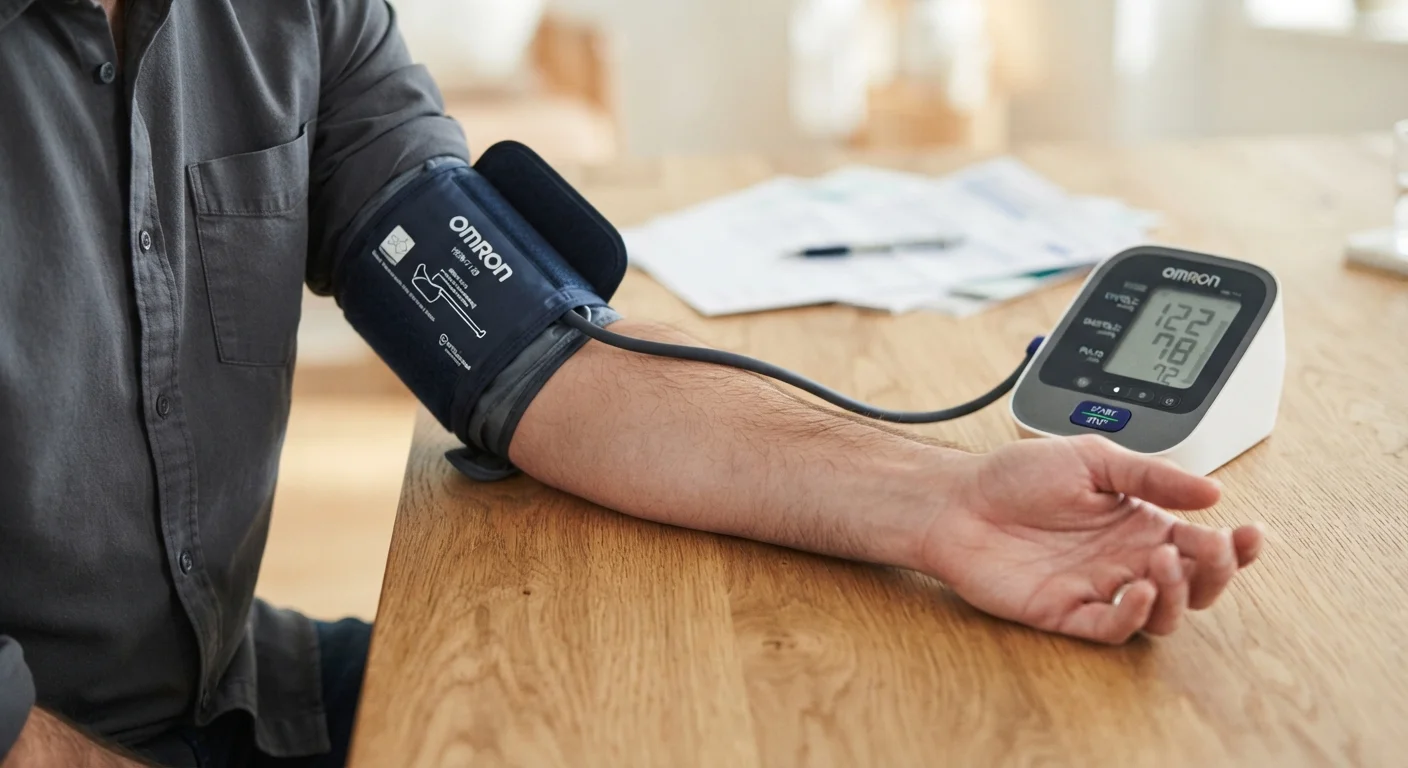
Home blood pressure monitors are widely available and can give you a clearer picture of your readings over time, since measurements in a clinical setting can sometimes be temporarily elevated due to stress. Share your home readings log with your healthcare provider at each visit. Always use a validated, properly sized cuff for accurate results.
What Daily Life With Hypertension Actually Looks Like
For most people, living with hypertension is less about managing dramatic symptoms and more about building sustainable daily habits and maintaining regular medical care. It is a long-term relationship with monitoring and adjustment.
Common elements of day-to-day hypertension management often include regular blood pressure monitoring at home, attending follow-up appointments, understanding how to read blood pressure numbers, and making informed decisions about diet and activity. Some individuals require medication to maintain healthy readings, while others may achieve adequate control through lifestyle changes alone - always in partnership with a healthcare provider.
Men in particular may overlook early warning signs. Our article on signs of high blood pressure men often dismiss explores why that happens and what to watch for. It's also worth understanding what cardiovascular numbers mean in a broader context - our guide to blood test numbers and heart health can help.
This article is for general informational purposes only and is not a substitute for professional medical advice, diagnosis, or treatment. Always consult a qualified healthcare provider regarding your blood pressure or any health concerns.