

Key Takeaways
Why Men Miss the Warning Signs
High blood pressure — medically known as hypertension — affects roughly one in three adults in the United States, yet awareness of its subtler warning signs remains low. Unlike a broken bone or a visible rash, hypertension typically produces no dramatic signal. What it does produce are vague, easy-to-rationalise symptoms that men often brush off as everyday annoyances.
The result is a condition that progresses quietly, putting serious strain on the heart, arteries, kidneys, and brain without triggering alarm. Understanding what those dismissed signs look like — and why they get overlooked — is the first step toward catching hypertension before it causes lasting harm. For a broader picture of how elevated pressure affects the body over time, see our guide on what high blood pressure actually does to your body.
High Blood Pressure Can Be Symptom-Free
Most people with hypertension experience no symptoms at all, which is why it is consistently underdiagnosed. You cannot rely on how you feel to determine whether your blood pressure is high. A measured reading from a healthcare professional or validated home device is the only way to know for certain. Do not delay getting checked if you are unsure of your current numbers.
Common Mistakes Men Make When Assessing Their Own Blood Pressure
The following patterns represent the most frequent ways men misread or ignore signs that warrant a proper blood pressure check. Each involves a symptom that seems benign on its own — but takes on greater significance when it is persistent, recurring, or unexplained.
Attributing persistent headaches to stress or dehydration without checking blood pressure.
Why it happens: Headaches are common and have dozens of causes, so men rarely connect them to cardiovascular health. The link between frequent morning headaches and elevated blood pressure is not widely known.
Dismissing occasional dizziness or light-headedness as nothing serious.
Why it happens: Dizziness is easy to explain away as tiredness, skipping a meal, or standing up too quickly. Men often wait for symptoms to worsen before seeking evaluation.
Ignoring nosebleeds as a routine nuisance rather than a potential sign of elevated pressure.
Why it happens: Nosebleeds are commonly associated with dry air or minor injury, so the connection to hypertension rarely comes to mind. Men tend to treat the bleed rather than investigate why it happened.
Accepting shortness of breath during light activity as a normal sign of being out of shape.
Why it happens: Many men assume breathlessness on mild exertion is simply fitness-related and plan to 'get back to the gym.' This self-diagnosis delays detection of underlying cardiovascular issues.
Normalising vision changes — such as blurring or seeing spots — without seeking medical assessment.
Why it happens: Vision fluctuations are often attributed to screen time, eye strain, or needing a new glasses prescription. The idea that hypertension can affect vision is not common knowledge.
It is worth noting that some physical symptoms — including headaches, dizziness, and fatigue — can also be associated with anxiety or depression, which are themselves undertreated in men. If you are unsure whether what you are experiencing is psychological or physical, a healthcare provider can help distinguish between the two. Our article on physical signs of anxiety that are easy to overlook explores the overlap in more detail.
What You Can Do Right Now
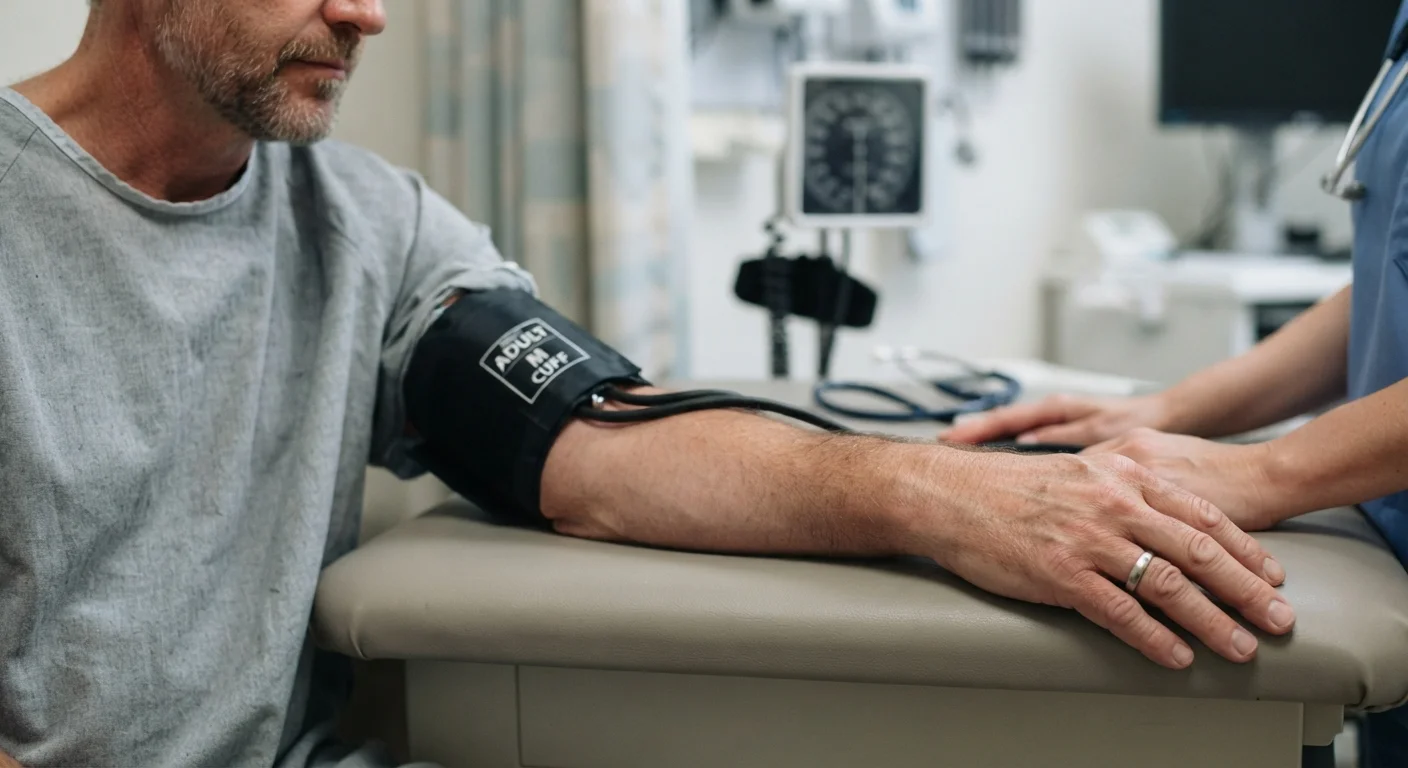
The most practical step any man can take is straightforward: get your blood pressure measured. Many pharmacies offer walk-in readings, and home monitors validated by healthcare bodies are widely available. Knowing your numbers — and what they mean — is foundational to managing your cardiovascular health.
~116M
U.S. adults estimated to have hypertension
According to the American Heart Association, nearly half of all American adults meet the clinical threshold for high blood pressure.
1 in 5
People with hypertension who are unaware of it
The CDC estimates that roughly 20% of people with high blood pressure do not know they have it, underscoring the importance of routine screening.
If your reading is elevated, do not attempt to self-manage without guidance. A healthcare provider can assess contributing factors such as diet, weight, physical activity, alcohol intake, and family history. For plain-language explanations of what cardiovascular test results actually mean, our article on heart health numbers from your blood test is a useful starting point.
This article is for general informational purposes only and does not constitute medical advice. Always consult a qualified healthcare professional for personal health concerns, diagnosis, or treatment decisions.