

| Leading cause of death (U.S.) | Heart disease (CDC, National Center for Health Statistics) |
| Most common type of heart disease | Coronary artery disease (CAD) (NIH, National Heart, Lung, and Blood Institute) |
| Number of confirmed major risk factors | 8+ well-established factors (American Heart Association risk factor framework) |
| Modifiable vs. non-modifiable risks | Most major risk factors are at least partly modifiable (CDC heart disease prevention guidance) |
| Sex difference in onset | Men typically develop CAD 7-10 years earlier than women (NIH cardiovascular sex differences research) |
Understanding Heart Disease Risk: A Starting Point
Heart disease remains the leading cause of death in the United States, according to the Centers for Disease Control and Prevention (CDC). Yet many people are unsure which risk factors are truly significant, which are overstated, and what can actually be changed. This article breaks down the evidence plainly - separating well-established risks from areas where science is still evolving.
| Leading cause of death (U.S.) | Heart disease (CDC, National Center for Health Statistics) |
| Most common type of heart disease | Coronary artery disease (CAD) (NIH, National Heart, Lung, and Blood Institute) |
| Number of confirmed major risk factors | 8+ well-established factors (American Heart Association risk factor framework) |
| Modifiable vs. non-modifiable risks | Most major risk factors are at least partly modifiable (CDC heart disease prevention guidance) |
| Sex difference in onset | Men typically develop CAD 7-10 years earlier than women (NIH cardiovascular sex differences research) |
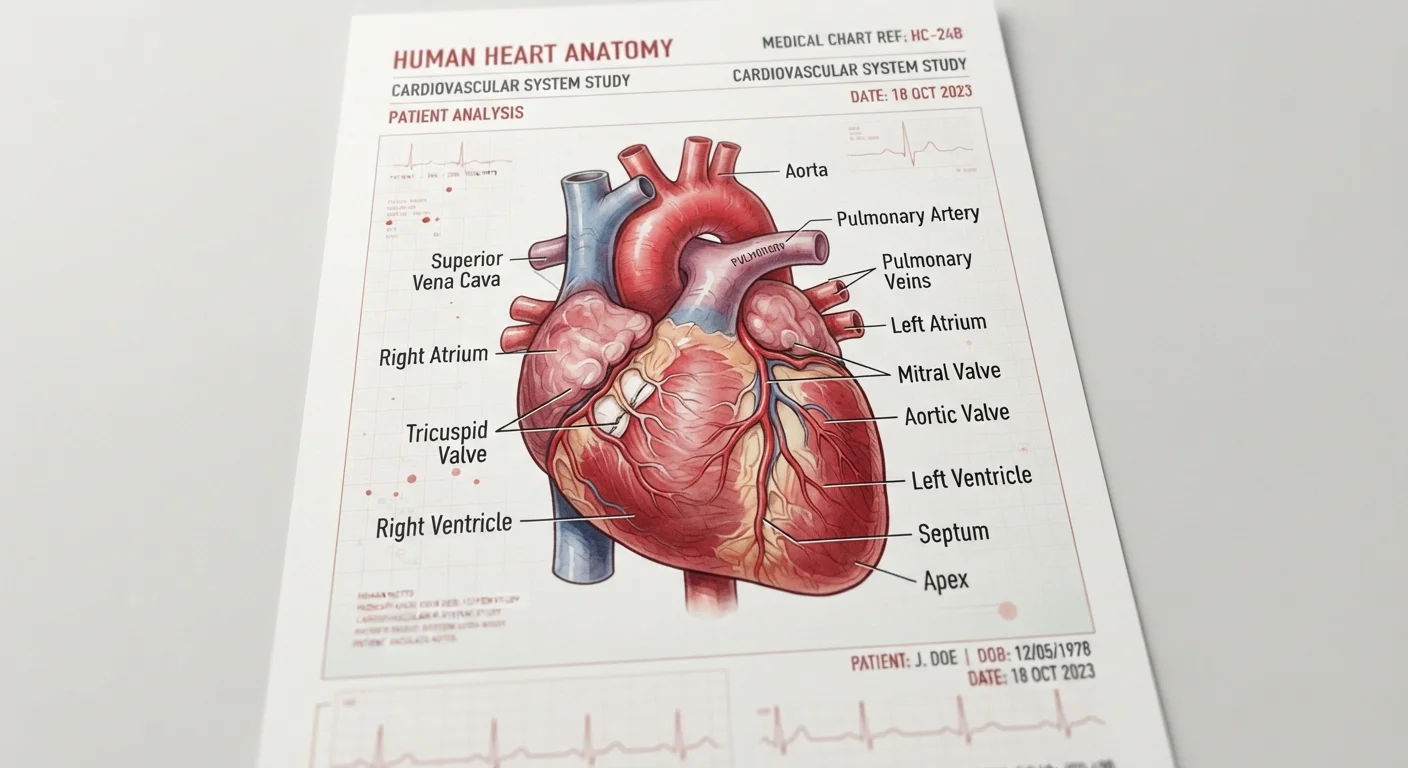
Heart disease is not a single condition. It is an umbrella term covering coronary artery disease, heart failure, arrhythmias, and others. Most research on risk factors focuses on coronary artery disease (CAD) - the buildup of plaque inside the arteries that supply the heart - because it is the most common and most studied form.
This article is for general informational purposes only and does not constitute medical advice. Always speak with a qualified healthcare provider about your personal health situation.
Well-Established Risk Factors: What the Evidence Strongly Supports
Decades of clinical research and large population studies have confirmed several major risk factors for heart disease. These are recognized by leading institutions including the National Institutes of Health (NIH), the American Heart Association, and the CDC.
- High blood pressure (hypertension): Consistently identified as one of the most significant modifiable risk factors. Elevated pressure damages artery walls over time, accelerating plaque buildup.
- Abnormal cholesterol levels: High levels of LDL cholesterol (often called "bad" cholesterol) are strongly linked to increased CAD risk. Understanding your lipid panel matters - see what cardiovascular markers on your blood test actually mean for a plain-language breakdown.
- Smoking: Tobacco use damages blood vessels, reduces oxygen in the blood, and raises clot risk. The evidence here is robust and unambiguous.
- Type 2 diabetes: Chronically elevated blood glucose damages blood vessel walls, significantly raising cardiovascular risk.
- Physical inactivity: Sedentary behavior is independently associated with higher heart disease incidence, separate from its effect on weight or cholesterol.
- Obesity: Excess body weight - particularly abdominal fat - is linked to hypertension, insulin resistance, and inflammation, all of which compound heart risk.
- Family history and genetics: A first-degree relative with early heart disease raises individual risk. This is not modifiable, but it makes other preventive measures more important, not less.
- Age and sex: Risk increases with age. Men tend to develop CAD earlier than women, though women's risk rises significantly after menopause.
Coronary artery disease (CAD)
The most common form of heart disease, caused by the buildup of plaque inside the arteries that supply blood to the heart muscle. Over time this can restrict blood flow and increase the risk of heart attack.
LDL cholesterol
Low-density lipoprotein cholesterol, often called "bad" cholesterol. High LDL levels are associated with plaque buildup in arteries and increased cardiovascular risk.
Hypertension
Chronically elevated blood pressure. It damages artery walls over time, contributing to plaque buildup and increasing the workload on the heart.
C-reactive protein (CRP)
A protein produced by the liver in response to inflammation. Elevated CRP is associated with higher cardiovascular risk in some studies, though its role as a direct cause is still being researched.
Modifiable risk factor
A risk factor that can be changed through behavior, medical treatment, or lifestyle adjustments - such as blood pressure, smoking status, or physical activity level.
Lipid panel
A blood test that measures total cholesterol, LDL cholesterol, HDL cholesterol, and triglycerides. Clinicians use it to assess cardiovascular risk.
Debated and Emerging Risk Factors: Where Science Is Less Settled
Not every headline-grabbing risk factor is as firmly established as the list above. Some areas remain genuinely contested in the research literature.
Dietary Fat
The relationship between dietary fat and heart disease has shifted considerably over decades. Saturated fat and trans fats are still generally considered harmful in excess, but the picture is more nuanced than early guidance suggested. Our guide on dietary fat types and what the evidence supports explores this complexity in more detail.
Chronic Stress and Mental Health
Research does suggest associations between chronic psychological stress, depression, and elevated cardiovascular risk - but establishing direct causation is methodologically difficult. Stress may raise risk partly through behaviors it promotes (poor sleep, physical inactivity, smoking) rather than through direct biological pathways alone. Lifestyle factors that support stress management - including sleep and physical activity - may also benefit cardiovascular health, as discussed in supporting overall health through lifestyle.
Inflammation Markers
Elevated C-reactive protein (CRP), a marker of systemic inflammation, is associated with higher cardiovascular risk in some studies. However, whether CRP is a cause, a consequence, or simply a signal remains under investigation. It is not yet a standard standalone screening tool.
Diet Quality Overall
Rather than single nutrients, most current evidence supports looking at overall dietary patterns. Diets emphasizing vegetables, legumes, whole grains, and fish are consistently associated with lower cardiovascular risk across large epidemiological studies. For a practical overview, eating patterns linked to heart health offers a grounded starting point.
What This Means for You
Understanding risk factors is useful, but it should translate into action - not anxiety. Several of the most significant risk factors are modifiable: blood pressure, cholesterol, smoking, physical activity, and diet are all areas where behavior and medical management can meaningfully shift risk over time.
#1
Cause of death in the United States
Heart disease has held this position for decades, according to the CDC's National Center for Health Statistics.
~50%
Of U.S. adults with at least one risk factor
The CDC estimates that approximately half of all U.S. adults have at least one major risk factor for heart disease, such as high blood pressure, high cholesterol, or smoking.
80%
Of premature cardiovascular events may be preventable
The World Health Organization has estimated that the majority of premature heart disease and stroke cases can be prevented through addressing modifiable risk factors.
If you have one or more risk factors - particularly a family history or an existing condition like diabetes - regular check-ups with your healthcare provider are an important first step. Screening tests for blood pressure, blood glucose, and lipid levels can identify elevated risk early, often before symptoms appear.
No article can replace a conversation with a clinician who knows your full medical history. Heart disease risk is individual - your provider can help you understand which factors apply most to your situation and what steps make sense for you specifically.
This content is intended for general educational purposes only. It is not a substitute for professional medical advice, diagnosis, or treatment. If you have concerns about your heart health, consult a licensed healthcare provider.