

Key Takeaways
Why Heart Health Is a Men's Health Priority
Men develop cardiovascular disease (CVD) — conditions affecting the heart and blood vessels — on average about a decade earlier than women. Factors including hormonal differences, higher rates of smoking, and patterns of abdominal fat storage all contribute. While genetics play a role, research consistently shows that diet is one of the most modifiable risk factors available.
Understanding which foods and eating patterns the evidence actually supports can help you make meaningful choices — without falling for oversimplified headlines. This article focuses on what the science most reliably shows, not what's trending. For a broader foundation, see our practical introduction to men's nutrition.
~55%
Share of cardiovascular deaths that are male
According to the World Health Organization, men account for a disproportionate share of premature cardiovascular disease mortality globally.
10 years
Earlier average CVD onset in men vs. women
Epidemiological data consistently show men develop coronary heart disease roughly a decade earlier than women on average.
Up to 80%
Of premature heart disease that may be preventable
The World Heart Federation estimates the majority of premature heart disease and stroke is preventable through lifestyle factors including diet.
Dietary Patterns That Support Cardiovascular Health
Decades of research point clearly to overall dietary patterns rather than individual superfoods. The two best-studied patterns for heart health are the Mediterranean diet and the DASH diet (Dietary Approaches to Stop Hypertension). Both emphasize vegetables, fruits, whole grains, legumes, nuts, and lean or plant proteins, while limiting ultra-processed foods and added sugars.
These patterns work because they address multiple heart-risk pathways simultaneously: managing LDL cholesterol (often called "bad" cholesterol), reducing inflammation, and supporting healthy blood pressure. To understand what your cholesterol and blood pressure numbers actually mean, our guide explaining cardiovascular blood test markers is a useful companion read.
Replace saturated fats with unsaturated fats wherever practical
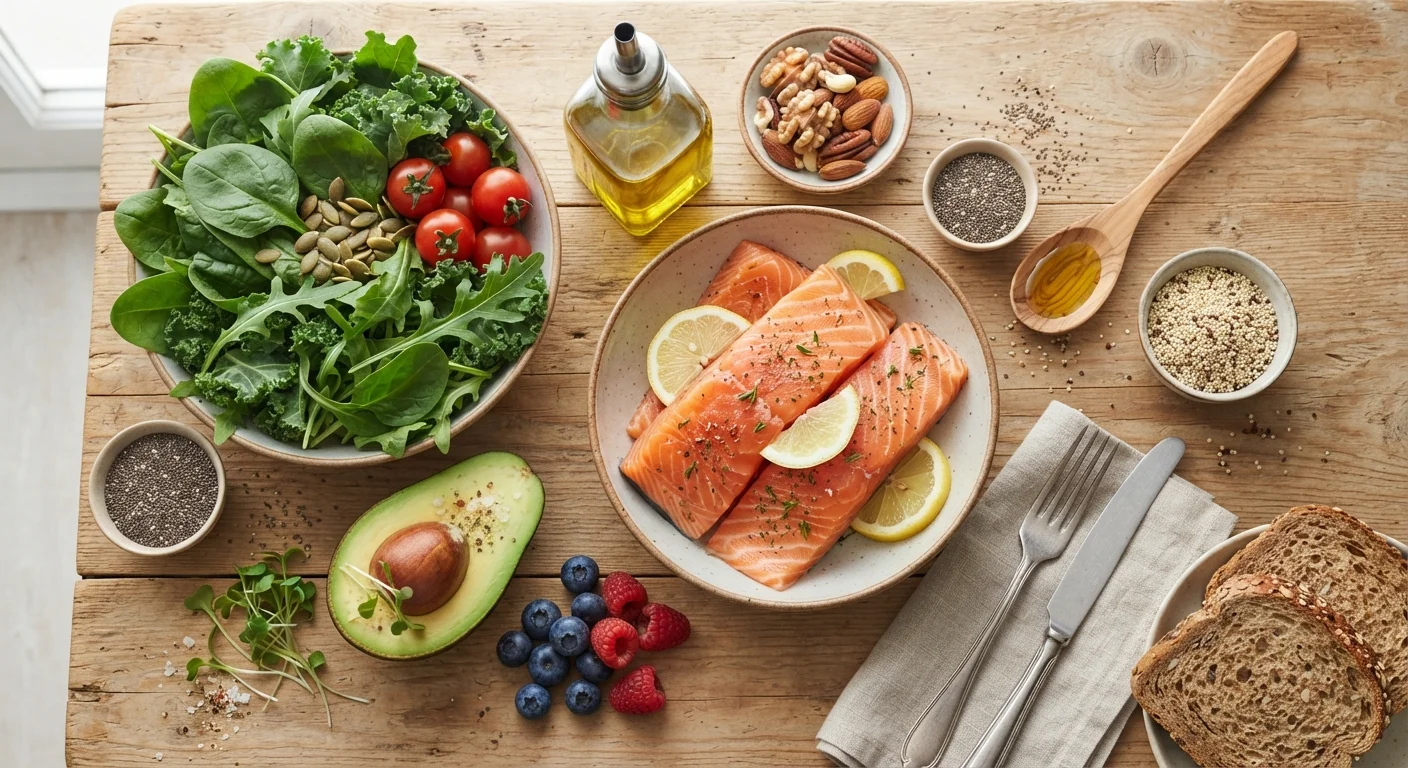
Saturated fats — found in red meat, full-fat dairy, and many processed foods — raise LDL cholesterol levels. Replacing them with monounsaturated and polyunsaturated fats, found in olive oil, avocado, nuts, and oily fish, is one of the most evidence-backed dietary changes for reducing cardiovascular risk.
Increase daily fiber intake through whole grains and legumes
Soluble fiber — particularly from oats, barley, beans, and lentils — binds to cholesterol in the digestive tract and helps remove it from the body, reducing LDL levels. Most men consume well below the recommended fiber intake, leaving this benefit largely untapped.
Limit sodium intake, especially from processed and packaged foods
High sodium intake is directly linked to elevated blood pressure, a major risk factor for heart attack and stroke. The majority of dietary sodium in most men's diets comes not from the salt shaker but from processed meats, canned goods, sauces, and restaurant meals.
Eat oily fish at least twice per week
Oily fish such as salmon, mackerel, sardines, and herring are rich in long-chain omega-3 fatty acids (EPA and DHA), which have consistent evidence supporting reduced triglyceride levels and may lower overall cardiovascular risk. This is distinct from plant-based omega-3s (ALA), which the body converts less efficiently.
Minimize added sugars and ultra-processed foods
High intake of added sugars and ultra-processed foods is associated with elevated triglycerides, weight gain, and increased cardiovascular risk. These foods often displace more nutritious options, compounding the effect.
Quick Steps You Can Take Starting This Week
Large dietary changes can feel overwhelming. Research on behavior change suggests that starting with small, specific actions builds sustainable habits more reliably than attempting a complete overhaul. The practices below are grounded in what the evidence supports most strongly.
For a deeper look at how fat type affects heart risk, see our article on dietary fat and men's health. If you're curious about carbohydrate quality and how it fits into a heart-healthy eating plan, separating carbohydrate science from low-carb hype provides useful context.
Think Patterns, Not Individual Foods
No single food will protect or harm your heart in isolation — what matters is the overall pattern of your eating over time. Rather than focusing on eliminating one ingredient or adding one superfood, aim to shift the balance of your whole diet gradually toward more whole, minimally processed foods. Small consistent changes compound meaningfully over months and years.
This article is for general informational and educational purposes only and does not constitute medical advice. Always consult a qualified healthcare professional before making significant changes to your diet, particularly if you have a diagnosed health condition, take medication, or have specific cardiovascular concerns.