

Key Takeaways
Why Small Food Swaps Work Better Than Overhauls
Most people who try to change their eating habits all at once find the effort unsustainable within weeks. The research on behavior change consistently points to a simpler strategy: make one or two manageable adjustments and let them become automatic before adding more. That's the foundation behind food swapping — replacing a less nutritious option with a more nutritious one in a context you already have.
These swaps don't require special ingredients, cooking skills, or a bigger grocery budget. For more guidance on eating well without spending more, see our principles for eating well on a budget. And if you want a broader foundation, the Balanced Diet Basics hub is a strong starting point.
The swaps below are grounded in general dietary guidance from sources like the USDA Dietary Guidelines for Americans. None of them are prescriptions — they're practical options to try and adapt to your own life.
Choose whole grains over refined grains
White bread, white rice, and regular pasta are made from refined grains — grains that have had the bran and germ removed during processing, stripping away much of their fiber, B vitamins, and minerals. Whole grain versions retain those layers, meaning you get more nutrients per serving.
Swapping white rice for brown rice, or choosing whole wheat bread instead of white, introduces more dietary fiber — a nutrient most Americans fall short on, according to USDA data. Fiber supports digestive health and contributes to a feeling of fullness after meals. You don't need to switch everything at once; starting with one grain you eat daily is enough.
Most Americans fall short on fiber — whole grains are one of the easiest ways to close that gap.
Add vegetables to meals you already make
Rather than building new vegetable-centered meals from scratch, look for places to fold vegetables into what you're already cooking. Stir spinach into pasta sauce, add frozen peas to rice dishes, or tuck sliced peppers and onions into a scrambled egg. These additions don't change the character of the meal — they expand its nutritional range.
Vegetables contribute vitamins, minerals, antioxidants, and fiber, and most Americans eat fewer servings per day than dietary guidance recommends. Frozen vegetables are nutritionally comparable to fresh ones and often more affordable — a point worth noting for anyone managing a tight food budget. See our guide to eating well on a budget without sacrificing nutrition for more on this.
Folding vegetables into meals you already make is more sustainable than building entirely new eating habits.
Replace sweetened beverages with water or low-sugar alternatives
Sugary drinks — sodas, sweetened teas, flavored coffees, and energy drinks — are among the largest contributors of added sugar in the typical American diet. Unlike solid food, liquid calories tend not to trigger the same sense of fullness, so they're easy to overconsume without noticing.
Replacing even one sweetened drink per day with water, sparkling water, or an unsweetened option is a low-friction swap with a meaningful nutritional payoff. If plain water feels dull, adding a slice of lemon, cucumber, or a sprig of mint can make it more appealing without adding significant sugar or calories.
Swapping one sugary drink per day for water is a low-effort change with a measurable nutritional impact.
Upgrade your protein choices at meals
Not all protein sources carry the same nutritional profile. Processed deli meats and fried meat options often come with higher saturated fat and sodium, while alternatives like eggs, canned fish, legumes, tofu, or unsalted nuts offer protein with a different nutritional tradeoff.
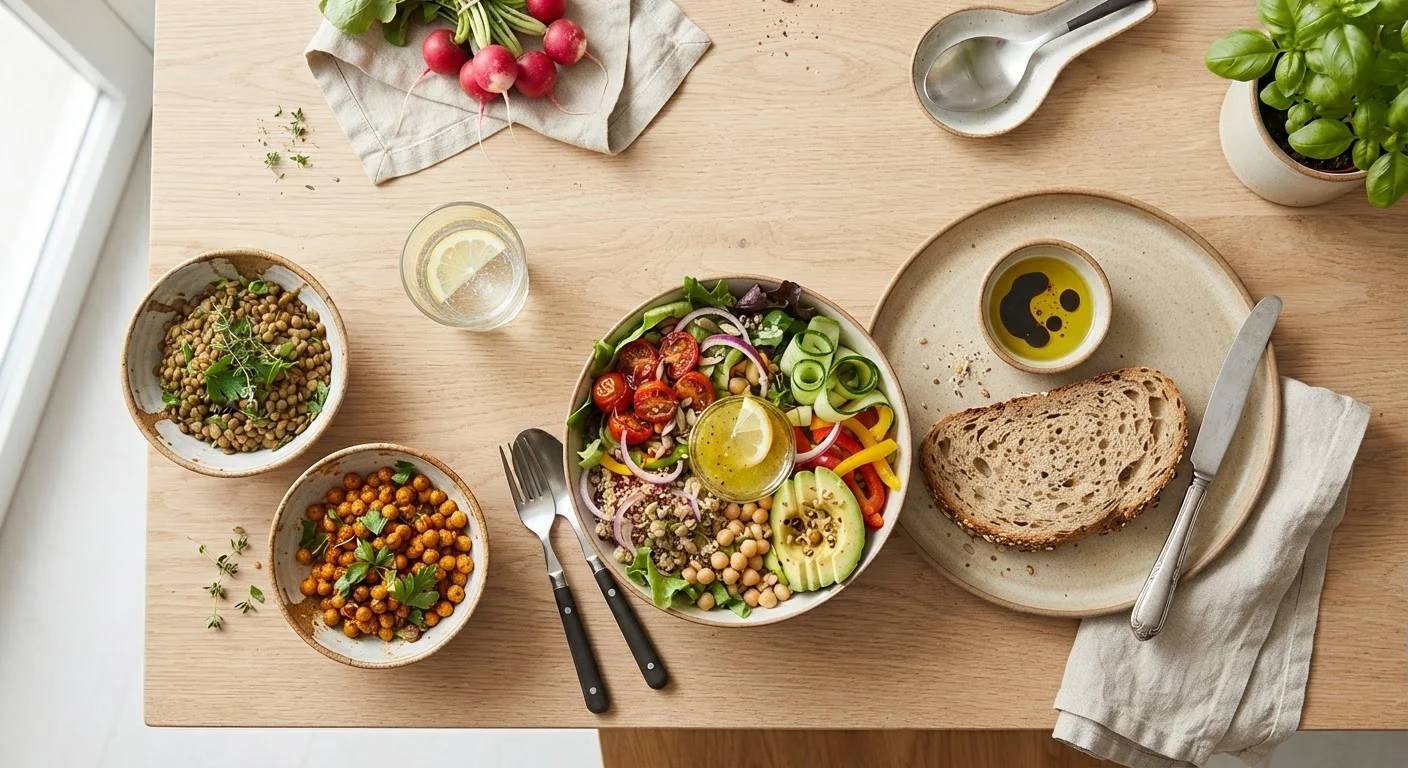
You don't need to eliminate any food — just consider what you're eating most often and whether a simpler swap is workable. Swapping canned tuna for a higher-sodium deli meat on a sandwich, or adding a scoop of chickpeas to a salad alongside your usual protein, are the kinds of practical adjustments that accumulate over time. Adequate protein at each meal also supports steady energy, which may reduce the urge to snack on less nutritious options between meals.
Choosing varied protein sources throughout the week broadens the range of nutrients your diet delivers.
Read labels for added sugar and sodium — then adjust one thing
Nutrition labels are one of the most useful tools a home cook has, but they're often ignored or misread. Two of the most important figures to pay attention to are added sugars and sodium — both of which can accumulate quickly through packaged sauces, condiments, canned goods, and snacks.
The goal isn't to obsess over every number. Instead, try comparing two versions of the same product — say, two pasta sauces — and choose the one lower in sodium or added sugar if both otherwise meet your needs. This one habit, applied gradually across pantry staples, can shift your nutritional baseline without any dramatic changes to how you cook or eat. If you're thinking about broader lifestyle changes alongside this, our article on managing weight healthily without extreme dieting covers how these everyday choices connect to long-term wellness.
Comparing two similar products and choosing the lower-sodium option is a skill that compounds over time.
Building Momentum With What You Already Eat
The goal isn't a perfect diet — it's a slightly better one, repeated consistently. Even two or three of these swaps, applied to meals you already make, can shift your nutritional intake meaningfully over weeks and months. If you'd like a structured way to check in on your progress, our Weekly Healthy Eating Check-In offers a practical self-audit approach.
Start With Just One Swap This Week
Trying to change everything at once is one of the most common reasons people abandon healthier eating goals. Pick the single swap from this list that feels easiest to try this week — just one. Once it feels natural, add another. Slow, steady progress is more durable than a dramatic overhaul that fades within a month.
For a complete picture of how these habits fit into a broader eating pattern, the Healthy Eating Habits overview covers everything from food choices to meal structure in one place.
This article is for general informational and educational purposes only and does not constitute medical or dietary advice. For personalized guidance, consult a registered dietitian or qualified healthcare professional.