

Key Takeaways
Folate (Vitamin B9)
Folate is a B vitamin that occurs naturally in many foods. Your body uses it to make and repair DNA, produce healthy red blood cells, and support the proper functioning of your nervous system. While it is most famous for its role during early pregnancy, folate is essential for every woman throughout her entire life.
Folic acid is the synthetic form of folate used in supplements and fortified foods; the body must convert it into its active form (5-methyltetrahydrofolate, or 5-MTHF) before it can be used. Some people carry a genetic variant (MTHFR) that affects this conversion.
Why Folate Matters at Every Stage of Life
Most of us first hear about folate during conversations about pregnancy — and for good reason. Adequate folate in early pregnancy significantly reduces the risk of neural tube defects in a developing baby. But reducing this nutrient to a single life stage sells it far short.
Folate is active in your body every single day. It helps every cell divide correctly, keeps your DNA intact, and contributes to the production of healthy red blood cells. Think of it as one of your body's essential maintenance crew members — working quietly in the background whether you are 22 or 62.
Folate Is Not Just a Pregnancy Nutrient
While healthcare providers rightly emphasize folate before and during pregnancy, its importance doesn't end there. Cell division, DNA maintenance, and red blood cell health are ongoing processes throughout your life. Ensuring consistent folate intake is a worthwhile goal for women of all ages.
What Folate Actually Does in the Body
At a cellular level, folate is involved in a process called methylation — a chemical reaction your body uses to regulate gene activity, repair damaged DNA, and synthesize new cells. Without adequate folate, this process falters.
- Red blood cell production: Folate helps bone marrow produce properly formed red blood cells. A shortage can lead to megaloblastic anemia, where oversized, poorly functioning cells leave you feeling exhausted and weak.
- Nervous system support: The vitamin contributes to the production of neurotransmitters — the chemical messengers that regulate mood, focus, and sleep. Emerging research suggests links between low folate status and depressive symptoms, though evidence is still developing.
- Cardiovascular health: Folate helps regulate homocysteine, an amino acid that, at elevated levels, is associated with increased cardiovascular risk. Adequate B vitamins, including folate, help keep homocysteine in a healthy range.
400 mcg
Daily folate recommended for adult women
According to the U.S. National Institutes of Health (NIH), the recommended dietary allowance for folate in non-pregnant adult women is 400 micrograms of dietary folate equivalents per day.
600 mcg
Daily folate needed during pregnancy
The NIH recommends pregnant women increase their intake to 600 micrograms of dietary folate equivalents daily to support fetal development.
~35%
Adults potentially not meeting folate needs through diet
Research published in nutritional surveillance data suggests a meaningful proportion of adults in the U.S. do not consistently meet recommended folate intakes from food alone.
The Best Food Sources of Folate
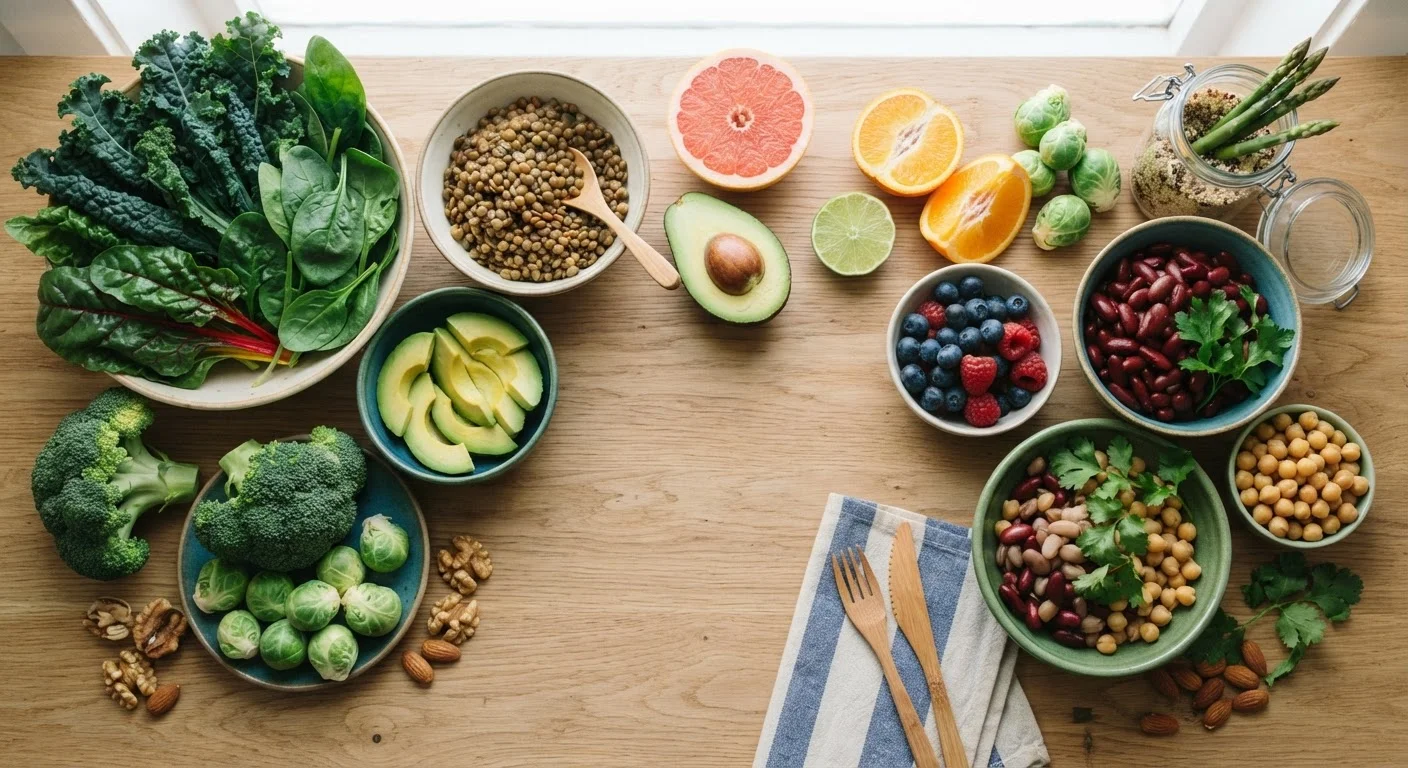
You do not need to rely on supplements to get sufficient folate. A varied, plant-forward diet provides plenty. Here are some of the most reliable sources:
- Dark leafy greens
- Spinach, romaine lettuce, and kale are folate powerhouses. A single cup of cooked spinach contains a substantial portion of the daily recommended intake.
- Legumes
- Lentils, black beans, and chickpeas are among the richest plant sources. They also provide fiber, iron, and protein — making them nutritional all-rounders.
- Avocado
- Half an avocado delivers a meaningful dose of folate alongside healthy fats, supporting multiple aspects of wellbeing simultaneously.
- Citrus fruits
- Oranges and grapefruit offer folate along with vitamin C, which may actually help your body absorb other nutrients from food eaten at the same meal.
- Fortified grains
- Many breads, cereals, and pasta are enriched with folic acid, making them a practical everyday source for many women.
For context on how folate fits alongside other key nutrients women need, see our guide to omega-3 fatty acids for another essential nutrient explained simply.
Cook Greens Lightly to Preserve Folate
Folate is water-soluble and heat-sensitive, meaning it can be lost during cooking. To preserve more of this nutrient, try lightly steaming or sautéing leafy greens rather than boiling them for extended periods. Eating some folate-rich vegetables raw — like spinach in a salad — is also an effective strategy.
Signs of Low Folate and When to Seek Help
Folate deficiency can develop gradually, and its early signs are easy to overlook. Common signals include persistent fatigue, pale skin, mouth sores, difficulty concentrating, and irritability. If you notice several of these symptoms together, a simple blood test ordered by your doctor can check your folate status.
Certain factors increase your risk of low folate: a diet low in vegetables and legumes, heavy alcohol use, some medications (including certain antacids and anticonvulsants), and digestive conditions that affect nutrient absorption such as celiac disease or Crohn's disease.
This article is for general informational purposes only and is not a substitute for professional medical advice. Please consult a qualified healthcare provider if you have concerns about your nutrition or health.