

Key Takeaways
Our Verdict
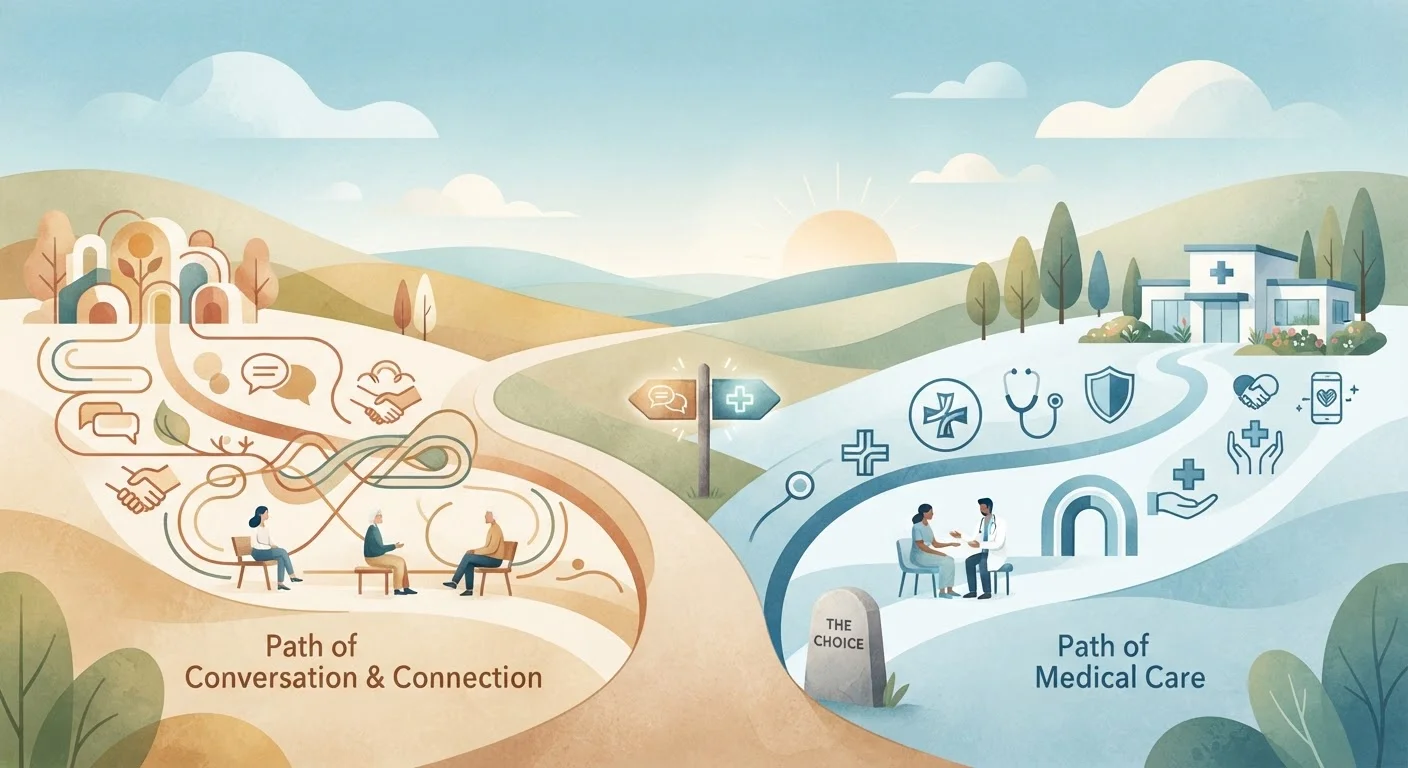
Talk therapy and antidepressant medication are both well-established, effective treatments for depression — and they are not mutually exclusive. For mild to moderate depression, psychotherapy alone often produces strong results. For moderate to severe depression, medication may deliver faster symptom relief, while therapy builds longer-term coping skills. Research consistently shows that combining both approaches tends to outperform either alone for many people.
| Best for | Recommended |
|---|---|
| Men with mild to moderate depression preferring no medication | Talk Therapy |
| Those experiencing severe symptoms needing faster relief | Medication |
| Men seeking both symptom relief and lasting skill-building | Combined Approach |
| Anyone unsure where to start | Consultation with a healthcare provider |
Why This Decision Matters for Men
Depression affects roughly one in eight men at some point in their lives, yet men are significantly less likely than women to seek professional help. Part of that gap comes from persistent myths — the idea that needing treatment signals weakness, or that depression will resolve on its own. It rarely does without support. See our breakdown of harmful myths about men and mental health for a clearer picture of what the evidence actually shows.
When a man does decide to seek help, one of the first questions a clinician will explore is whether talk therapy, medication, or a combination makes the most sense for his situation. Understanding the basics of each option helps men participate actively in that conversation rather than feeling like passive recipients of a decision made for them.
This article is for general informational purposes only and does not constitute medical advice. Always consult a qualified healthcare professional for guidance tailored to your individual health needs.
How Talk Therapy Works
Talk therapy — broadly called psychotherapy — involves structured, regular sessions with a trained mental health professional. For depression, the most researched form is Cognitive Behavioral Therapy (CBT), which helps people identify and change thought patterns that fuel low mood. Other evidence-based approaches include Interpersonal Therapy (IPT) and Behavioral Activation.
Therapy is not simply talking about your week. Sessions are goal-directed, time-limited, and skill-focused. Many men who are initially skeptical find that what actually happens in therapy is far more practical than they expected.
Typical courses run 8–20 sessions, though this varies. The core benefit is that therapy equips men with tools they keep and use long after sessions end, which research suggests reduces the likelihood of depression returning.
Therapy Works Best With Consistency
The evidence for psychotherapy builds over multiple sessions — attending regularly and completing between-session exercises significantly improves outcomes. If cost or access is a barrier, ask your provider about telehealth options or sliding-scale fee arrangements, which many therapists offer.
How Antidepressant Medication Works
Antidepressant medications work by influencing the chemical signaling systems in the brain associated with mood regulation. The most commonly prescribed class is SSRIs (Selective Serotonin Reuptake Inhibitors), which generally have a well-established safety profile. SNRIs and other classes may be considered depending on individual circumstances.
Medication typically requires several weeks before a meaningful effect is felt. A prescribing doctor — usually a psychiatrist or primary care physician — will monitor response, side effects, and dosage over time. It is important to understand that medication decisions, including starting, stopping, or adjusting doses, should always be made with a qualified clinician. Never stop antidepressants abruptly without medical guidance.
Never Stop Medication Without Medical Guidance
Stopping antidepressants abruptly can cause discontinuation symptoms and may lead to a rapid return of depression. If you experience side effects or feel medication isn't working, talk to your prescribing clinician before making any changes. Adjustments should always be supervised.
For moderate to severe depression, medication can reduce symptoms more rapidly than therapy alone, making it easier for some men to engage in daily life or participate meaningfully in therapy sessions.
Comparing the Two Approaches
Both approaches have strong evidence behind them, but they differ in meaningful ways across several dimensions. Understanding those differences helps you have a more informed conversation with your provider.
| Talk Therapy | Antidepressant Medication | |
|---|---|---|
| How it works | Changes thought patterns and behaviors | Modulates brain chemistry |
| Time to noticeable effect | Weeks to months of consistent sessions | Typically 2–6 weeks for symptom shift |
| Duration of benefit | Skills persist after treatment ends | Benefit may return after stopping |
| Requires ongoing commitment | Yes — regular session attendance | Yes — daily dosing and monitoring |
| Side effects | Emotional discomfort during sessions | Physical side effects possible |
| Best evidence for | Mild to moderate depression | Moderate to severe depression |
| Who administers it | Licensed therapist or psychologist | Psychiatrist or primary care physician |
Importantly, these approaches are not competitors. Therapy has genuine strengths and real limits, and so does medication. A clinician's job is to assess which combination fits your history, symptoms, preferences, and circumstances.
The Case for Combining Both
Research published across multiple large-scale clinical trials has consistently shown that combining psychotherapy with antidepressant medication tends to produce better outcomes for moderate to severe depression than either treatment used alone. Medication can reduce the biological intensity of symptoms, while therapy addresses the behavioral patterns and thinking styles that sustain depression over time.
If you're exploring the different formats therapy can take, it's worth knowing that individual and group settings each offer distinct value — see our comparison of group therapy vs individual therapy for more context.
~50%
Response rate for therapy or medication alone
Research suggests roughly half of patients respond meaningfully to either approach used in isolation for depression.
~60–70%
Response rate for combined treatment
Studies published in peer-reviewed journals consistently show combined therapy and medication outperforms either alone for moderate to severe depression.
When you're ready to take the next step, practical guidance on starting therapy can help you understand what to expect from the process of finding a provider and beginning treatment.
Always work with a licensed healthcare professional when making decisions about depression treatment. This content is educational and does not replace personalized medical or psychological advice.