

Key Takeaways
Chronic Inflammation
Chronic inflammation is a long-lasting, low-grade activation of the body's immune system that persists for months or years. Unlike the short-term inflammation that helps you heal from a cut or infection, chronic inflammation lingers without a clear purpose - and can quietly damage healthy tissues over time. It is considered a key driver behind many serious long-term health conditions.
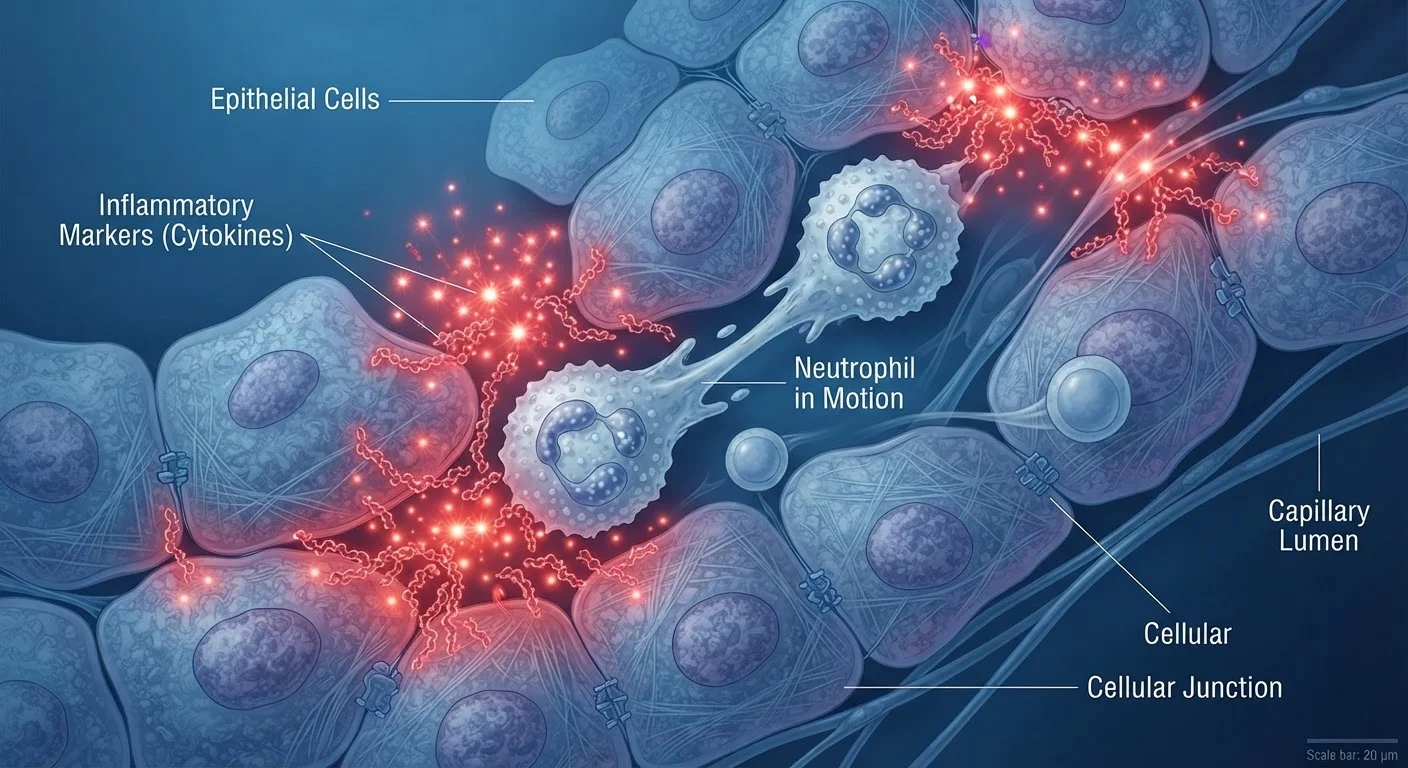
At the cellular level, chronic inflammation involves sustained release of pro-inflammatory cytokines - signaling proteins such as interleukin-6 (IL-6) and tumor necrosis factor-alpha (TNF-α) - that keep immune pathways activated beyond their intended window.
How Inflammation Is Supposed to Work
To understand why chronic inflammation is a problem, it helps to first appreciate what inflammation is supposed to do. When your body detects a threat - a bacterial infection, a splinter, a sprained ankle - the immune system launches a rapid, targeted response. Blood flow increases to the affected area, immune cells rush in to neutralize the threat, and the telltale signs appear: redness, swelling, warmth, and pain.
This is acute inflammation, and it is genuinely protective. Once the threat is resolved, specialized signals tell the immune system to stand down. Healing occurs, and inflammation fades, typically within a few days to a couple of weeks.
For a deeper look at how this immune response can turn from protector to problem, see our article on acute versus chronic inflammation.
Inflammation Is Not Inherently Bad
It's important to distinguish between inflammation's protective role and its harmful potential. Short-term acute inflammation is essential to survival - without it, minor infections could become life-threatening. The concern with chronic inflammation is specifically its persistence and the cumulative cellular damage that results from a prolonged, dysregulated immune state.
When Inflammation Becomes Chronic
Chronic inflammation occurs when that shutdown signal fails - or when a low-level trigger keeps the immune system perpetually activated. The body remains in a state of alert even when no genuine threat exists. Over time, this persistent immune activity begins to damage healthy cells, tissues, and organs rather than protecting them.
Common drivers of chronic inflammation identified in research include:
- Persistent infections that are not fully cleared
- Autoimmune conditions, where the immune system targets the body's own tissue
- Long-term exposure to irritants, such as cigarette smoke or air pollutants
- Metabolic factors, including excess body fat, particularly around the abdomen
- Chronic psychological stress - which, like physical stressors, can sustain pro-inflammatory signaling
Understanding the parallel between physical and mental stress responses is useful here. Our guide on acute vs. chronic stress explores how prolonged stress affects the body in ways that intersect with inflammation.
The Link Between Chronic Inflammation and Disease
Decades of research - including large-scale epidemiological studies and clinical trials - have established chronic inflammation as a significant contributor to many of the most prevalent long-term illnesses in the United States. The NIH and other leading health bodies recognize its role across multiple disease categories:
~60%
Adults with an inflammation-related chronic disease
The CDC estimates that approximately 6 in 10 U.S. adults have at least one chronic disease, many of which have a significant inflammatory component.
Top cause
Heart disease as leading U.S. cause of death
The CDC identifies heart disease as the leading cause of death in the United States; chronic inflammation is recognized as a key contributing factor in atherosclerosis.
2-3×
Elevated CRP and cardiovascular risk
Research published in the New England Journal of Medicine found that individuals with elevated high-sensitivity CRP had a two-to-threefold increased risk of cardiovascular events.
- Cardiovascular disease: Inflammation contributes to the buildup of plaques in artery walls (atherosclerosis), increasing risk of heart attack and stroke.
- Type 2 diabetes: Inflammatory signals can impair insulin signaling, contributing to insulin resistance.
- Certain cancers: Chronic inflammation can create a cellular environment that promotes DNA damage and abnormal cell growth.
- Neurodegenerative conditions: Persistent neuroinflammation is being studied in connection with Alzheimer's disease and Parkinson's disease.
Because chronic inflammation can underpin conditions that show no outward signs, many people live with elevated inflammatory activity for years without realizing it. To better understand what makes these long-term health patterns distinct, see our overview of what a chronic condition is.
“Inflammation is a central biological process linking lifestyle, environment, and disease. Understanding it is fundamental to understanding modern chronic illness.”
— National Institute of Environmental Health Sciences (NIEHS), U.S. federal research institute focused on environmental influences on human health
Recognizing Risk and Seeking Help
Because chronic inflammation rarely announces itself with dramatic symptoms, awareness of risk factors is the most practical tool most people have. Blood tests - particularly high-sensitivity C-reactive protein (hs-CRP) - can provide measurable insight into systemic inflammation. These tests are available through standard medical care and are often included in routine health screenings.
If you have been diagnosed with a chronic condition, or if you experience persistent fatigue, unexplained aches, or digestive irregularity, discussing inflammatory markers with your doctor is a reasonable next step. For context on the emotional dimensions of navigating a chronic diagnosis, our article on the emotional weight of living with chronic illness offers valuable perspective.
Talk to Your Doctor Before Making Changes
If you're concerned about chronic inflammation, the most important first step is speaking with a qualified healthcare professional. They can order appropriate tests, review your medical history, and help you understand what - if any - intervention is needed. Lifestyle modifications may complement medical care but should not replace it.
This article is for informational purposes only and is not a substitute for professional medical advice, diagnosis, or treatment. Always consult a qualified healthcare provider with any questions you may have regarding a medical condition.