4 common migraine triggers and ways to cope with them

4 common migraine triggers and ways to cope with them

Health
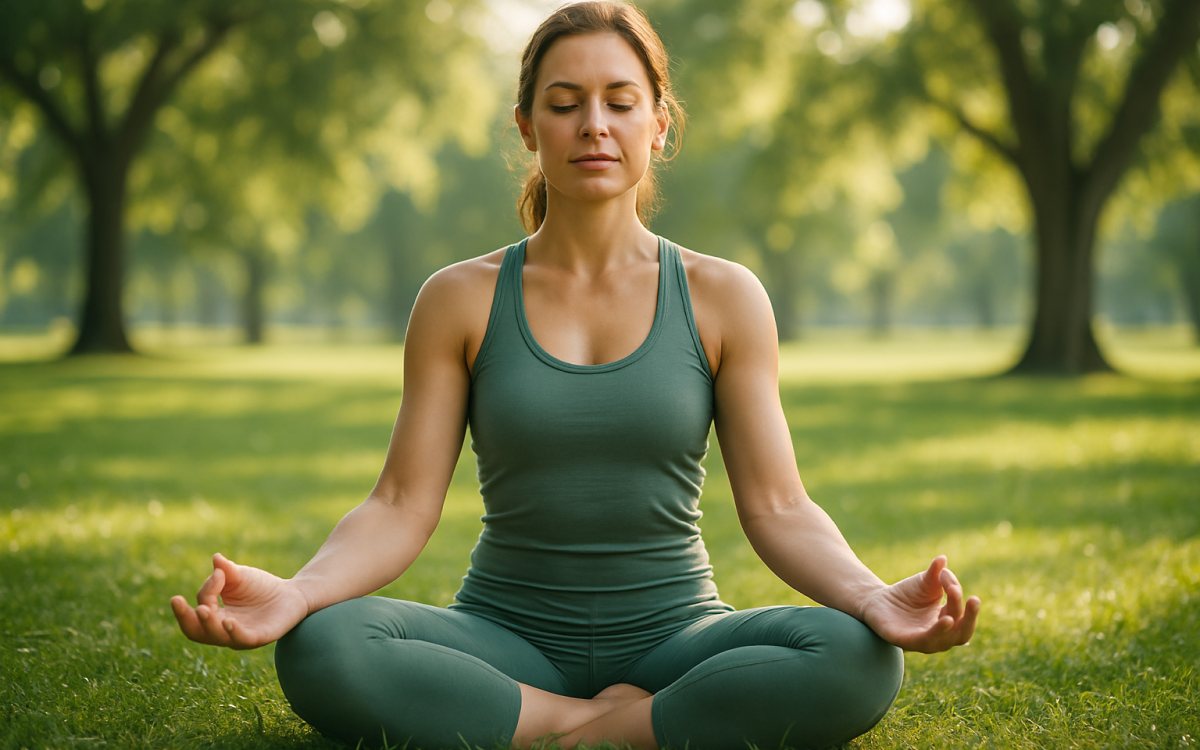
Migraine is a neurological condition that causes recurring headaches, with its severity ranging from moderate to severe. Symptoms of migraine include throbbing head pain, nausea, vomiting, and sensitivity to sound and light. Various kinds of triggers cause an onset of migraine headaches in people living with this condition. Knowing about the triggers and identifying them can help reveal patterns behind migraine episodes. More importantly, this knowledge can help affected individuals manage this condition in their day-to-day lives. Stress A study found that stress is the main trigger for almost 70% of people experiencing migraine headaches. Affected individuals tend to perpetually worry about their next episode, causing them to be in a never-ending, exhausting cycle.  How to cope : Unfortunately, stress is often unavoidable. However, stress-relieving activities such as exercise, meditation, and yoga can help individuals calm their minds before their stress spirals into a full-blown migraine headache. Rhythmic breathing is also known to lower heart rate and reduce mental tension during stressful moments. In complex situations, consulting a trained and experienced therapist can also help individuals develop innovative strategies for coping with daily stress. Certain foods Some foods, such as fermented or pickled foods, aged cheese, and processed or cured meats (like hot dogs and lunch meats), often cause inflammation and set off a cascading effect that ends up in migraine aches.
Stretching – Benefits and limitations

Stretching – Benefits and limitations

Health
Stretching is one of the easiest forms of exercise. When done regularly, it can improve flexibility, enhance musculoskeletal health, and prevent injuries. But before diving into the exercise head-on, it’s important to properly understand when stretching is useful and when it’s not. In certain situations, such as when dealing with a strained muscle or a painful tendon, stretching can be counterproductive. Knowing the benefits and limitations of stretching and doing it under professional guidance is recommended. Benefits of stretching Reduces muscle stiffness Stretching lengthens the muscles and increases their flexibility. This, in turn, improves the range of motion, making it easier to perform routine tasks that require reaching and bending. It also prevents undue straining or tearing of the muscles, reducing the risk of injury. Since age naturally causes the muscles to lose flexibility, seniors should especially consider stretching more often. Improves posture Poor posture can lead to neck and back pain, tension headaches, and rounded shoulders. It can also lead to more severe musculoskeletal issues, such as nerve compression and herniated discs. Stretching is one of the best ways to improve posture. Stretches that focus on the hips, shoulders, and the back of the neck maintain the spine’s neutral position and reverse any “hunch” caused by sitting for several hours every day.  Boosts joint health Stretching stimulates the production and circulation of synovial fluid—a thick, gel-like substance that reduces friction—in the joints.

Recent Articles