Role of hydration, sleep, and movement in immunity regulation

Role of hydration, sleep, and movement in immunity regulation

Health
Three key elements that contribute to immune health are sleep, hydration, and physical activity. Hydration is essential for survival, migration, and responses of immune cells to harmful microbes, while quality sleep supports the creation and regulation of immune cells that fight infection and inflammation. On the other hand, physical activity enhances immune function and reduces the risk of chronic inflammation. Together, these three elements, along with some immunity and wellness basics, can enhance a person’s disease-fighting mechanisms. Role of hydration in strengthening the immune system White blood cells, like other cells in the body, require enough hydration to function normally. A consistent supply of water enables these cells to survive and perform their respective functions. Hydration and the lymphatic system are closely linked. Lymphatic fluid can move only through water, and this fluid actively looks for pathogens and other harmful microbes before eliminating them. Drinking enough water keeps this fluid in motion. Water also helps facilitate the transport of white blood cells to various parts of the body, enabling them to fight against bacteria and viruses. Several studies have shown that even mild dehydration (losing 1-2% of body water) can impair immune response and cognitive function. Additionally, there’s a direct correlation between inadequate water intake and reduced immune cell counts and gut health issues, which are linked to impaired T-cell function in the gut.

Recent Articles

Types of physical therapy for Parkinson’s disease

Types of physical therapy for Parkinson’s disease

Health
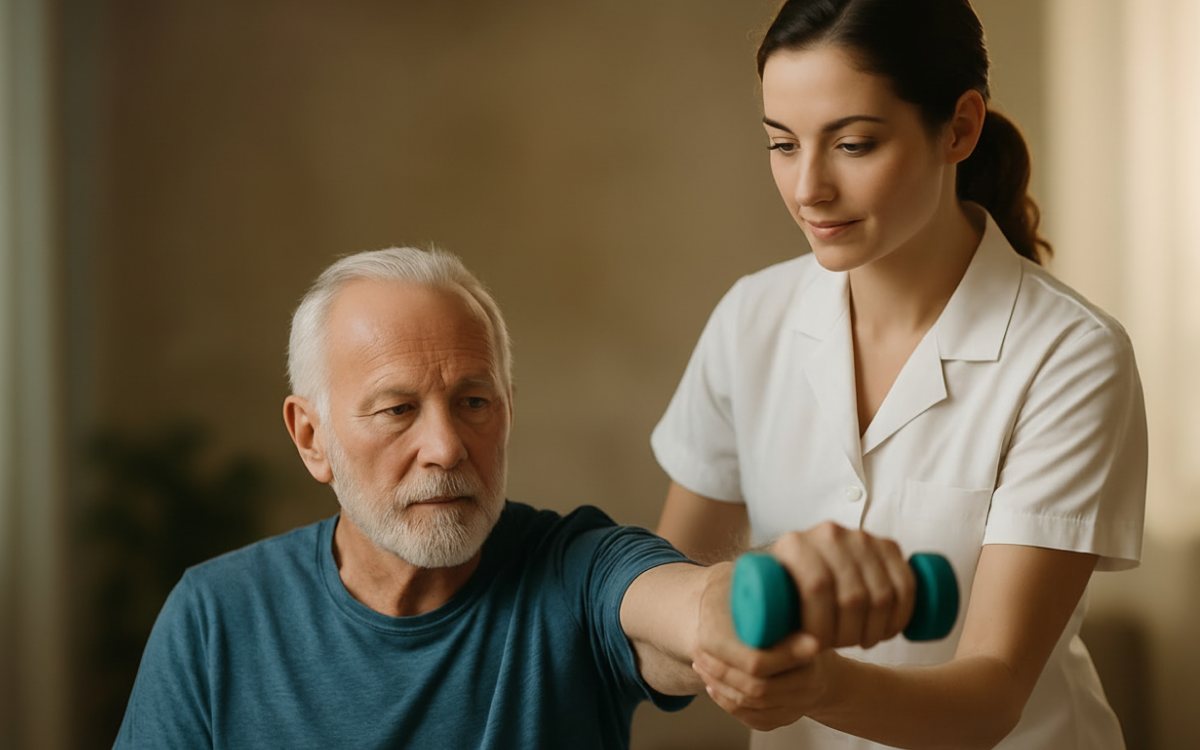
Parkinson’s disease is a neurodegenerative disorder that affects the parts of the brain that control motor function. Tremors, stiffness, and loss of balance are some of its common symptoms. Healthcare professionals often recommend physical therapy to manage the condition and slow its progression. They create personalized sessions based on one’s needs. Resistance training with light weights, balance routines, such as tai chi, and exercises like brisk walking are common inclusions in these sessions. Physical therapy options For Parkinson’s disease, there are three core approaches to physical therapy. These are aerobic exercise to build endurance, resistance training to increase strength, and balance/gait training to improve coordination. Most professional therapists tailor physical therapy for Parkinson’s disease to each person’s fitness level. The sessions are often short and progress slowly for sustainable gains. Aerobic exercise Moderate-to-high-intensity aerobic activities, such as stationary cycling and brisk treadmill walking, improves cardiovascular endurance. Over time, one’s energy levels increase, making routine activities easy. Completing longer walks around the block without getting tired also becomes possible. Furthermore, the severity of motor control symptoms reduces. For aerobic exercise, 30-minute sessions three times per week are enough for noticeable improvements in stamina. Some common aerobic exercises that can be done under professional supervision include: